Depression in Women: An Integrative Psychiatry Approach for Idaho & Oregon
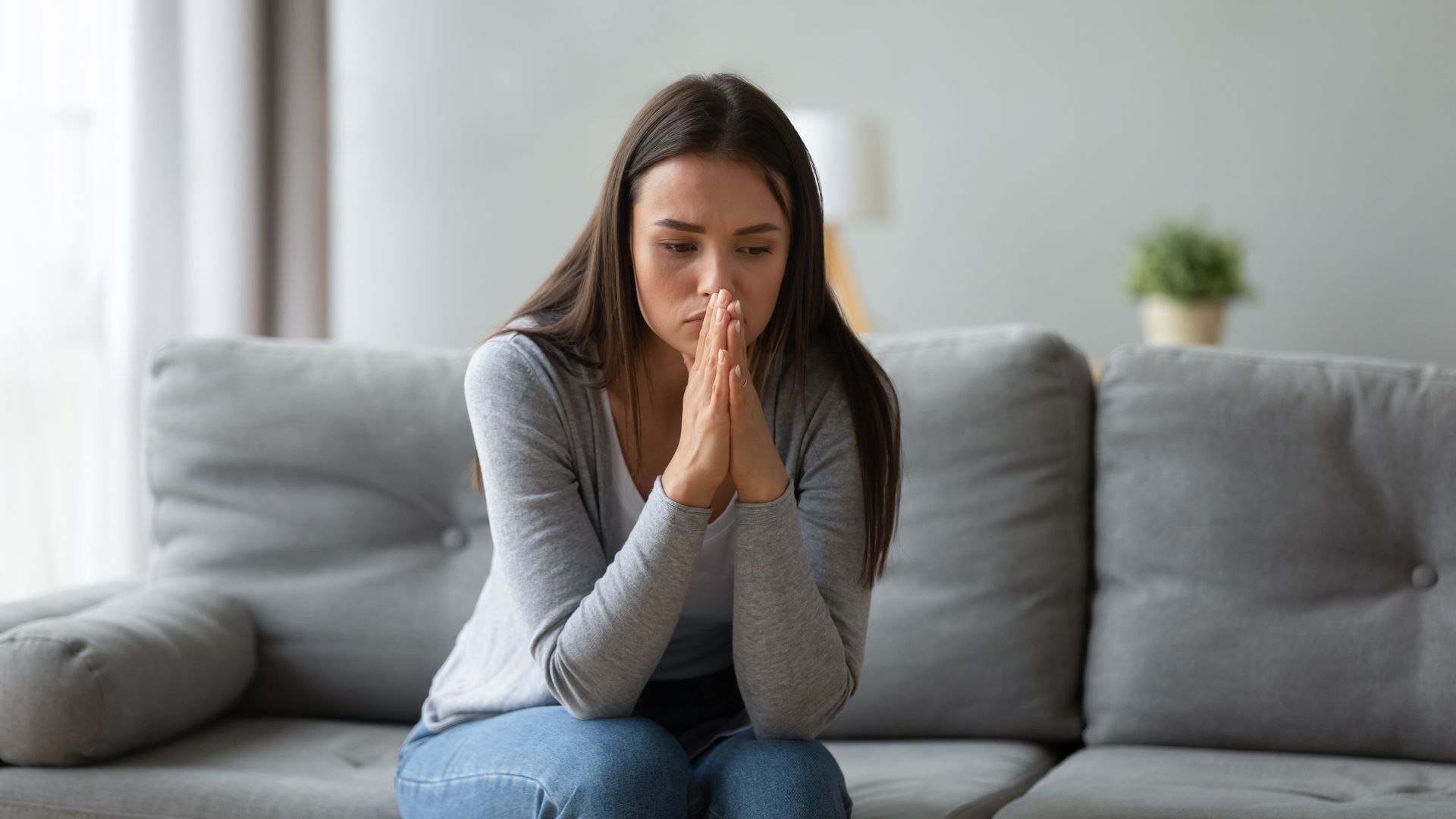
For many women in Idaho and Oregon, depression does not arrive as a dramatic collapse. It arrives quietly — as a persistent flatness that makes mornings feel impossibly heavy, as a withdrawal from the people and activities that once felt meaningful, as a voice that says this is just how things are now. It can look like exhaustion, irritability, or a low-grade numbness that is easy to dismiss as stress, overcommitment, or simply getting older. If this resonates, you are not experiencing a character flaw or a failure of resilience. You may be living with a clinically recognized, biologically driven condition that responds well to thoughtful, comprehensive care.
Depression is among the most common mental health conditions in the world — and it affects women at a rate that demands specific, women-centered attention. Understanding why, and what effective treatment actually looks like, is where recovery begins.
What Depression Is — and What It Isn't
Clinical depression, formally known as Major Depressive Disorder, is not sadness. Sadness is a natural emotional response to loss, disappointment, or pain. Depression is a persistent disruption to mood, cognition, energy, and physical wellbeing that extends beyond circumstance and does not resolve on its own with time or effort.
To meet clinical criteria, depressive symptoms must be present for at least two weeks and cause meaningful interference with daily functioning — at work, in relationships, or in a person's capacity to care for themselves. Depression is not a sign that someone is thinking incorrectly or needs to try harder. It reflects real changes in brain chemistry, hormonal signaling, and neurological function that require real treatment.
This distinction matters because one of the most significant barriers to care is the internalized belief that depression is a personal failing rather than a medical condition. It is not. And in women, the picture is made more complex — and more deserving of specialized attention — by the relationship between mood and the hormonal landscape that shifts throughout a woman's life.

Why Women? The Reproductive Hormone Connection
Women are nearly twice as likely as men to experience a major depressive episode. National data from the National Institute of Mental Health found that 10.3% of adult women experienced a major depressive episode in a single year, compared to 6.2% of men. That gender gap is not coincidental. It emerges in adolescence and persists through the reproductive years until menopause, pointing toward a meaningful relationship between female hormonal biology and vulnerability to depression.
The key insight from this body of research is that a subset of women carries a heightened sensitivity to reproductive hormonal shifts — the fluctuations in estrogen and progesterone that occur during the menstrual cycle, during and after pregnancy, and across the perimenopause transition. For these women, times of hormonal change are times of elevated depression risk. This is not a psychological weakness. It is a neurobiological pattern.
The MGH Center for Women's Mental Health has further identified that biological factors — including genetic vulnerability and hormone sensitivity — interact with psychosocial factors such as chronic stress to shape a woman's overall susceptibility to depressive symptoms. This interaction is why two women with similar life circumstances may have very different experiences of mood stability, and why effective treatment must account for the whole person rather than addressing symptoms in isolation.
Depression linked to reproductive transitions shows up in recognizable windows: the premenstrual phase of the cycle, the postpartum period following delivery, and the perimenopause and menopause transition. Each of these moments represents a period of significant hormonal change — and for women with this underlying sensitivity, each carries genuine risk. Recognizing these patterns is not just clinically useful; it is often the first time a woman feels that her experience has been accurately seen.
Recognizing the Symptoms: More Than Low Mood
The Integrative Psychiatry Approach to Treatment
Standard psychiatric care for depression typically begins with medication evaluation, and for many women, appropriately prescribed antidepressant therapy is an important and effective part of treatment. But an integrative approach recognizes that medication alone rarely tells the whole story — particularly in women whose depression is shaped by hormonal patterns, lifestyle factors, and the complex interplay of physical and mental health.
At Mind and Body Medicine, Dr. Tamara McDonald approaches depression through this broader lens. A thorough evaluation begins not with a checklist of symptoms but with a deep-dive assessment of mental, physical, and hormonal health history. For women whose depression clusters around specific hormonal transitions — the premenstrual phase, the postpartum period, perimenopause — understanding that pattern changes the treatment picture significantly.
Research from the MGH Center for Women's Mental Health has found that estrogen status meaningfully affects antidepressant response, with perimenopausal and postmenopausal women sometimes responding differently to standard medication protocols than premenopausal women. This is why hormone evaluation is not peripheral to depression treatment in women — it is central to it.
An integrative treatment plan may include psychiatric medication management selected and monitored with an awareness of where a woman is in her hormonal life, analysis of relevant lab work, targeted supplement recommendations with evidence-based rationale, and personalized lifestyle optimization addressing sleep, movement, and nutrition as genuine clinical variables rather than afterthoughts.
The goal is not to suppress symptoms but to restore the kind of stability, energy, and engagement with life that depression has taken away — and to build a treatment plan that reflects the full complexity of who you are, not just the diagnosis on a chart.
Depression Care for Women in Idaho and Oregon
Mind and Body Medicine offers telehealth appointments throughout Idaho and Oregon, making specialized, women-centered psychiatric care accessible regardless of where you are located in either state. For women in Boise and across the Treasure Valley, in-person appointments are also available.
If you have been living with persistent low mood, emotional flatness, fatigue, or the quiet certainty that something is wrong — and have not yet found care that takes the full picture seriously — a consultation is the right next step.
Depression is not a permanent condition. It is a treatable one. And with the right support, the version of yourself that feels present, grounded, and capable of joy is not out of reach.