Understanding Women’s Mental Health
Mood Disorders in Women: You're Not Alone
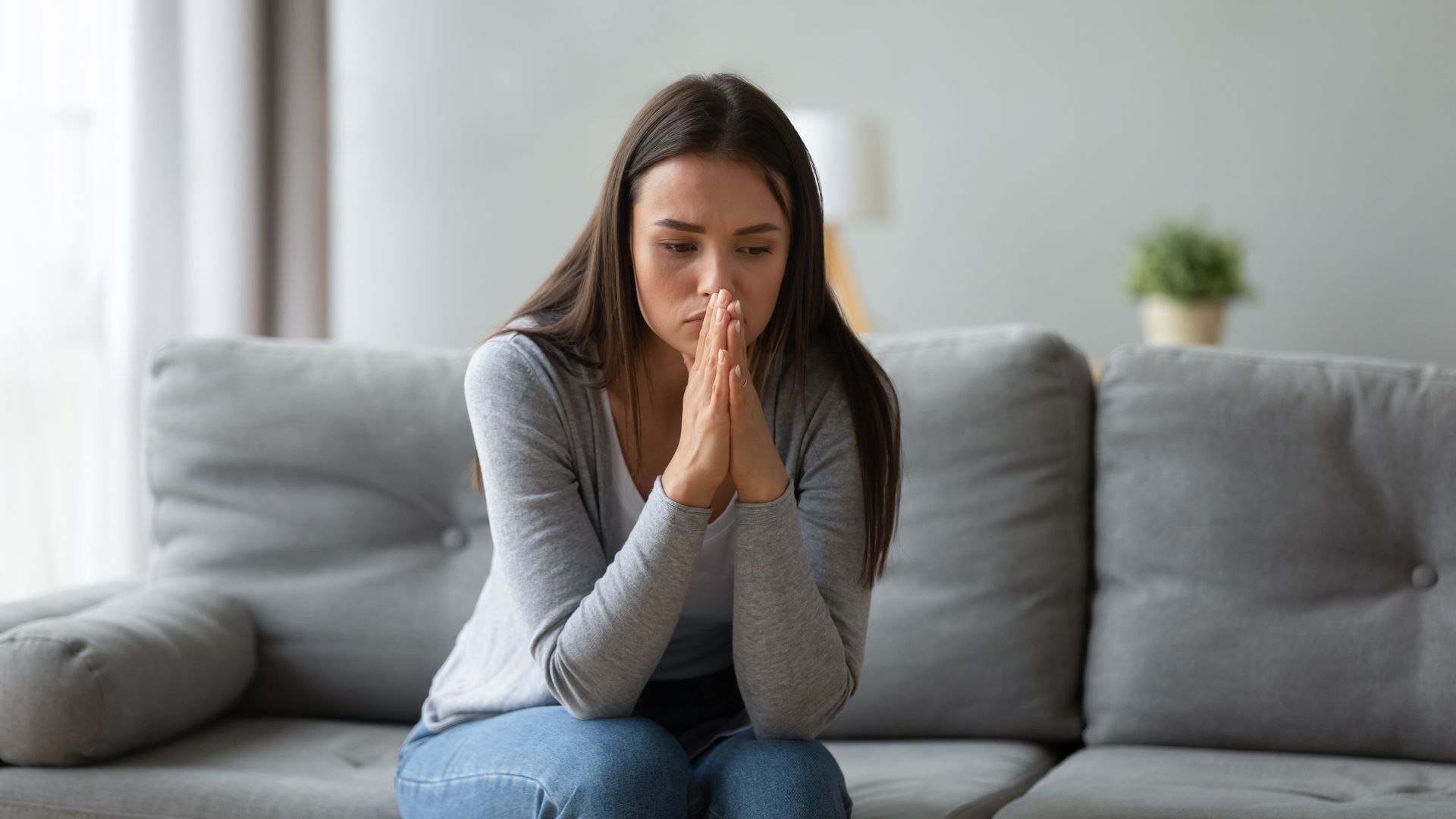
Mood disorders are common among women, yet they are frequently underrecognized or misunderstood. Many women experience changes in mood, energy, or emotional regulation at different points in their lives, but these symptoms are often dismissed as normal stress, “hormonal fluctuations,” or personal weakness. Recognizing that these experiences can signal a diagnosable condition is an important first step toward understanding and addressing them.
The development of mood disorders is influenced by a combination of biological, psychological, and environmental factors. Hormonal fluctuations throughout the menstrual cycle, pregnancy, postpartum period, and menopause can play a significant role in emotional regulation. At the same time, personal history, including past trauma, genetic predispositions, and coping mechanisms, interacts with external stressors, such as caregiving responsibilities, work pressures, and social demands, to shape emotional well-being.
Awareness of these contributing factors can help women better understand their experiences and seek appropriate care. Monitoring patterns in mood, energy, and behavior can provide valuable insight into potential triggers or cyclical trends, allowing for more informed discussions with a healthcare provider. By acknowledging the multifaceted origins of mood symptoms, individuals can access targeted support that addresses both immediate needs and long-term emotional health.
How Hormones Affect Mood: From Your Cycle to Menopause
Hormones play a central role in regulating mood, cognition, and stress response throughout a woman’s life. Estrogen and progesterone rise and fall across the menstrual cycle, influencing neurotransmitter systems that affect emotional stability, motivation, and energy. For some individuals, sharp hormonal shifts in the days before menstruation can contribute to increased irritability, sadness, anxiety, or difficulty concentrating. Awareness of these cyclical changes can help differentiate hormonally influenced mood symptoms from other mental health conditions.
Hormonal changes are also significant during major reproductive transitions. Pregnancy, postpartum, and perimenopause involve dramatic hormonal fluctuations that can affect emotional well-being. During pregnancy, estrogen and progesterone levels increase to support fetal development, sometimes resulting in heightened emotional sensitivity. After childbirth, these hormone levels drop rapidly, which can contribute to postpartum mood disturbances, including anxiety or depressive symptoms. Similarly, during perimenopause, estrogen levels fluctuate unpredictably, which may lead to intermittent mood changes, sleep disruption, or fatigue.
Understanding the influence of hormones on mood is critical for both patients and clinicians in developing effective treatment strategies. Hormone-informed care, whether through lifestyle adjustments, therapy, or medication, can help mitigate mood symptoms and support emotional stability. Recognizing the connection between hormonal patterns and mental health also empowers individuals to track their experiences, anticipate challenging periods, and implement coping strategies that reduce the impact of these changes on daily life.
The Hidden Impact of Stress and Caregiving
Women often carry multiple responsibilities simultaneously, including professional obligations, household management, and caregiving for children, partners, or aging family members. This combination of demands can create chronic stress that affects both physical and emotional health. Even when daily life appears manageable, the cumulative effect of these responsibilities can increase vulnerability to mood disorders, anxiety, and burnout.
Research in women’s behavioral health demonstrates that chronic stress can alter brain systems involved in mood regulation, decision-making, and emotional resilience. This means that persistent stress doesn’t just cause temporary fatigue or irritability, it can make it harder to manage emotions and respond adaptively to life’s challenges. Over time, the pressure to meet constant demands may contribute to feelings of guilt, frustration, or inadequacy, even in women who are otherwise highly capable.
Recognizing the impact of chronic stress is an important step toward developing effective coping strategies and accessing support. By identifying periods of increased stress and understanding how these pressures interact with hormonal and life-stage factors, women can implement practical strategies to protect their emotional well-being. Interventions may include boundary-setting, delegating responsibilities, stress-management techniques, and support from clinicians familiar with women’s mental health. Awareness and proactive management of stress can help prevent its escalation into more severe mood disturbances and improve overall quality of life..
How Past Trauma Shapes Depression and Anxiety in Women
Traumatic experiences, including abuse, loss, neglect, or betrayal, can leave long-lasting effects on emotional regulation and mental health. These experiences may shape how safe individuals feel, how they respond to stress, and how intensely they experience emotions. Even when the traumatic event occurred years ago, its impact can persist, influencing daily functioning, relationships, and overall well-being.
Trauma can also increase vulnerability to mood disorders such as depression, anxiety, and post-traumatic stress. The nervous system adapts to protect the individual during and after traumatic events, which can result in heightened vigilance, emotional reactivity, or difficulty regulating stress. Recognizing that these responses are learned survival mechanisms, not personal failings, is a critical step in understanding emotional patterns and seeking effective support.
Trauma-informed care prioritizes safety, trust, and empowerment in treatment. Clinicians trained in trauma-sensitive approaches focus on moving at the individual’s pace, respecting boundaries, and validating experiences. This approach helps patients feel understood and supported, creating a foundation for healing. By integrating trauma awareness into mental health care, individuals can address both current symptoms and underlying factors that contribute to mood disturbances, improving long-term emotional resilience and quality of life..
Integrative Approaches to Women's Mental Health: Beyond Traditional Treatment
Effective mental health care for women often involves addressing both psychological and physical well-being. Integrative approaches recognize that emotional health is deeply connected to lifestyle factors, daily routines, and body-mind interactions. Rather than focusing solely on symptom management, integrative care emphasizes the interplay between nutrition, movement, sleep, stress management, and therapeutic interventions to support overall resilience.
Mindfulness-based practices, for example, can help individuals observe thoughts and emotions without becoming overwhelmed, promoting emotional regulation and reducing anxiety. Regular physical activity, even moderate exercise such as walking or yoga, can improve mood through neurochemical pathways and support energy regulation. Nutrition also plays a key role: balanced dietary choices influence brain function, energy levels, and emotional stability. Mind-body therapies, including breathwork, meditation, and gentle movement, can help calm the nervous system and foster a sense of groundedness and self-awareness.
Importantly, integrative care is tailored to the individual’s lifestyle and needs, emphasizing sustainable changes rather than perfection. By combining traditional evidence-based treatments, such as therapy or medication, with complementary approaches, women can strengthen their emotional resilience and develop practical tools for managing stress and mood fluctuations. This holistic approach ensures that mental health care addresses both mind and body, promoting lasting well-being and a more balanced, empowered experience of daily life.
Personalized Care: Finding the Right Provider
No two women experience mood disorders in the same way, which is why individualized care is essential. Age, reproductive stage, personal history, lifestyle factors, and unique stressors all influence how symptoms present and what interventions are most effective. Recognizing these differences allows clinicians to develop treatment plans that are tailored to the individual’s specific needs, priorities, and goals.
Finding the right provider is a crucial step in achieving effective care. Specialists in women’s mental health, including reproductive psychiatry, women’s behavioral medicine, or integrative psychiatry, understand how hormonal changes, life transitions, and psychosocial factors interact to affect mood. In an initial appointment, it is important to feel heard and understood. A skilled clinician will ask about your full experience, including sleep, stress, relationships, reproductive history, and personal goals, and involve you collaboratively in treatment planning.
A personalized approach ensures that care goes beyond simply addressing symptoms. By combining evidence-based therapies with integrative strategies, clinicians can help women manage mood fluctuations, develop practical coping tools, and strengthen overall resilience. When patients are active partners in their care and feel that their experiences are validated, outcomes improve, and treatment becomes more effective, sustainable, and aligned with their values and daily lives..
How to Find the Right Women's Mental Health Specialist
Finding the right mental health provider can feel overwhelming, but it is one of the most important steps in achieving effective and personalized care. Women’s mental health specialists, whether in reproductive psychiatry, women’s behavioral medicine, or integrative mental health, bring expertise in understanding how hormonal changes, life transitions, and unique psychosocial stressors influence mood. Choosing a clinician who recognizes these factors is key to receiving care that addresses the full complexity of your experiences.
During your initial appointment, pay attention to how the provider engages with you. A thorough evaluation should go beyond a checklist of symptoms to explore your reproductive history, sleep patterns, stress levels, relationships, and personal goals. The provider should listen attentively, provide clear explanations of potential treatment options, and involve you collaboratively in decision-making. A strong therapeutic relationship is built on mutual respect, open communication, and the integration of both evidence-based and holistic approaches that support mental, emotional, and physical well-being.
It is equally important to trust your instincts. If you leave a consultation feeling dismissed, unheard, or reduced to a diagnosis, it is appropriate to continue your search. Finding a provider who values your experiences, validates your concerns, and works with you as a partner in care can make a meaningful difference in treatment outcomes. The right provider understands that you are more than a set of symptoms and is committed to helping you navigate challenges with expertise, empathy, and a collaborative approach. With patience and careful consideration, the provider best suited to your needs is out there.

Your Path Forward: Compassionate Care for Lasting Mental Wellness
Mood disorders in women are common, real, and treatable. While hormonal changes, stress, and past experiences can influence emotional well-being, effective support can help restore balance, resilience, and clarity. Recognizing the complexity of these factors, and how they interact with daily life, is an important first step toward accessing care that is both personalized and evidence-based.
Treatment often involves a combination of approaches tailored to the individual’s unique needs. Evidence-based therapies, medication when appropriate, and integrative strategies such as mindfulness, gentle movement, nutrition, and stress-management techniques can complement one another to support emotional regulation and overall well-being. These approaches are designed to be practical and sustainable, providing tools that empower women to manage symptoms and strengthen resilience in everyday life.
Finding the right provider is central to achieving lasting improvements. A clinician who understands the interplay between hormones, life experiences, and stressors, and who involves you collaboratively in care, can help create a plan that honors your biology, story, and goals. With attentive, personalized care, it is possible to navigate mood fluctuations, regain a sense of stability, and improve quality of life. Healing is possible, and the first step toward lasting mental wellness is seeking the support that respects and validates your experiences.